A heat pump in an Irish home: what actually matters
The grant nearly doubled this year, the BER rules are widely misunderstood, and roughly a third of the homes in the country are still heated by oil. Here's the version worth reading before you spend anything.
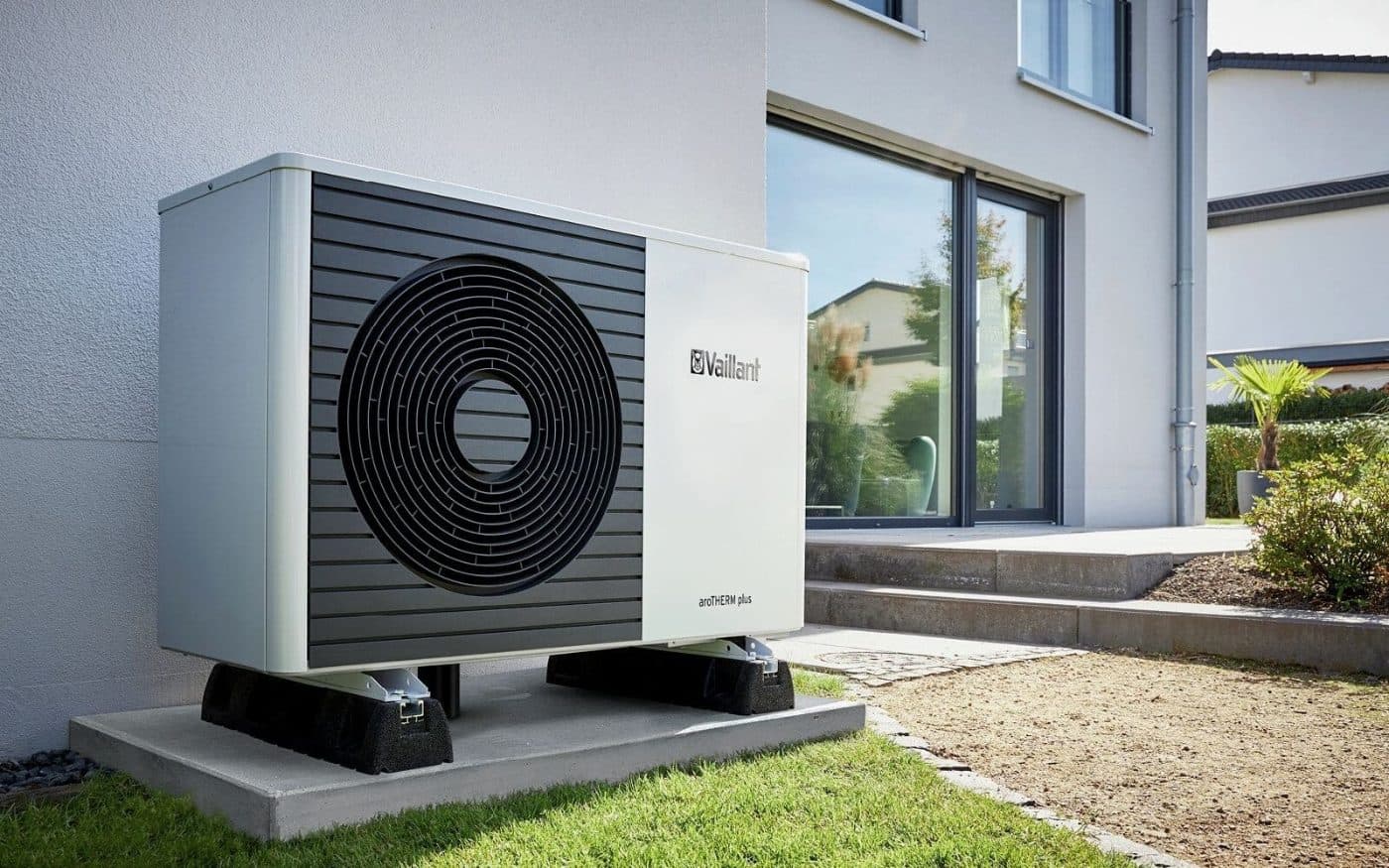
Ireland is at an unusual moment. Support for heat pumps has never been higher, the housing stock that most needs them is heated by the most expensive fuel on the market, and the number of engineers who can design a heat pump system properly is small. All three of those things are worth understanding before you get a quote.
The grant went up, and by a lot
In February 2026 the SEAI heat pump grant rose from €6,500 to a maximum of €12,500 for a house, and €9,500 for an apartment. It isn't one payment. It's a bundle: up to €6,500 towards the heat pump itself, a €4,000 renewable heat bonus, and up to €2,000 towards central heating upgrades such as new radiators or underfloor.
That last €2,000 matters more than it looks. Emitters are where a lot of heat pump installs go wrong: a system running at a low flow temperature needs more radiator surface than a system running at 70°C, and being able to pay for that properly is the difference between a heat pump that's cheap to run and one that isn't.
To qualify you'll need
- A home built and occupied before 2021
- An MPRN — the meter point reference number on your electricity bill
- A Heat Loss Indicator of 2.3 W/(K·m²) or lower
- An SEAI-registered contractor doing the work
- Grant approval before anything starts. You cannot apply after the fact.
You do not need a B2
This is the single most common misunderstanding in Ireland, and it stops people who would have been perfectly good candidates. The B2 requirement belongs to the One Stop Shop deep-retrofit route. If you're going for the individual heat pump grant, the number that matters is the Heat Loss Indicator: 2.3 W/(K·m²) or lower.
The HLI is a measure of how quickly your house loses heat relative to its floor area. How you prove it depends on when the house was built:
Built before 2007
You'll need a technical assessment by an SEAI-registered advisor, unless you already hold a valid BER showing your HLI is inside the threshold. There's a €200 grant towards it.
Built 2007 onwards
No technical assessment required — the building regulations of the day mean your fabric is likely to be good enough already. You'll make a self-declaration instead.
If the assessment says you're over the threshold, that isn't a refusal. It's a list: attic insulation, cavity walls, draught-proofing, sometimes windows. Separate SEAI grants exist for all of it, and it's work worth doing whatever you heat the house with. Everyone also needs a post-works BER before the grant is paid, with a €50 grant towards that.
Most of the homes that need this burn oil
Around a third of Irish homes are heated by oil, and that shapes the whole conversation. In most of rural Ireland there's no gas main to weigh it against, the price of a fill is volatile, and the boiler in the shed is usually oversized and running hot.
The thing to understand about a heat pump is that it doesn't make heat. It moves it. Burning a litre of oil gets you a bit less energy than the litre contained, because some goes up the flue. A heat pump takes electricity and uses it to shift heat that's already outside into your house — so a unit of electricity in can become three or four units of heat out. That ratio is the whole argument, and it is not a fixed number. It depends almost entirely on how the system was designed.
The one number to ask about
Flow temperature. It's how hot the water going to your radiators is. An oil boiler might run at 70°C. A well designed heat pump system runs far cooler, and the cooler it runs the more heat it delivers per unit of electricity. Any installer who can't tell you what flow temperature your system is designed around, and why, hasn't designed it.
What to check before you spend anything
- Find your BER cert if you have one, and look for the Heat Loss Indicator on it.
- Check your MPRN is on your electricity bill and the house was occupied before 2021.
- Ask any installer for a room-by-room heat loss calculation, not a rule of thumb off the floor area.
- Ask what flow temperature the design assumes, and which radiators they're changing to get there.
- Get the grant approved before a single part is ordered.
The installer matters more than the box
Two identical heat pumps, fitted in two identical houses by two different installers, can differ by a factor approaching two in what they cost to run. Same kit, same weather, same house. The difference is the design: the heat loss calculation, the emitters, the pipework, the flow temperature and the commissioning.
That's the entire reason Heat Geek exists, and it's why we've started in Ireland by training engineers rather than by selling installs. The first Irish geeks have passed. When there are enough of them near you, we'll tell you.